Home Guides
Foundation Guides
This is the part of the site where we explain the trade the way we explain it at kitchen tables: what the signs mean, what the soil is doing, and how the hardware works. No sales talk in the guides. If your house needs measuring after you read them, the evaluation is free, and if it does not, you will know that too.
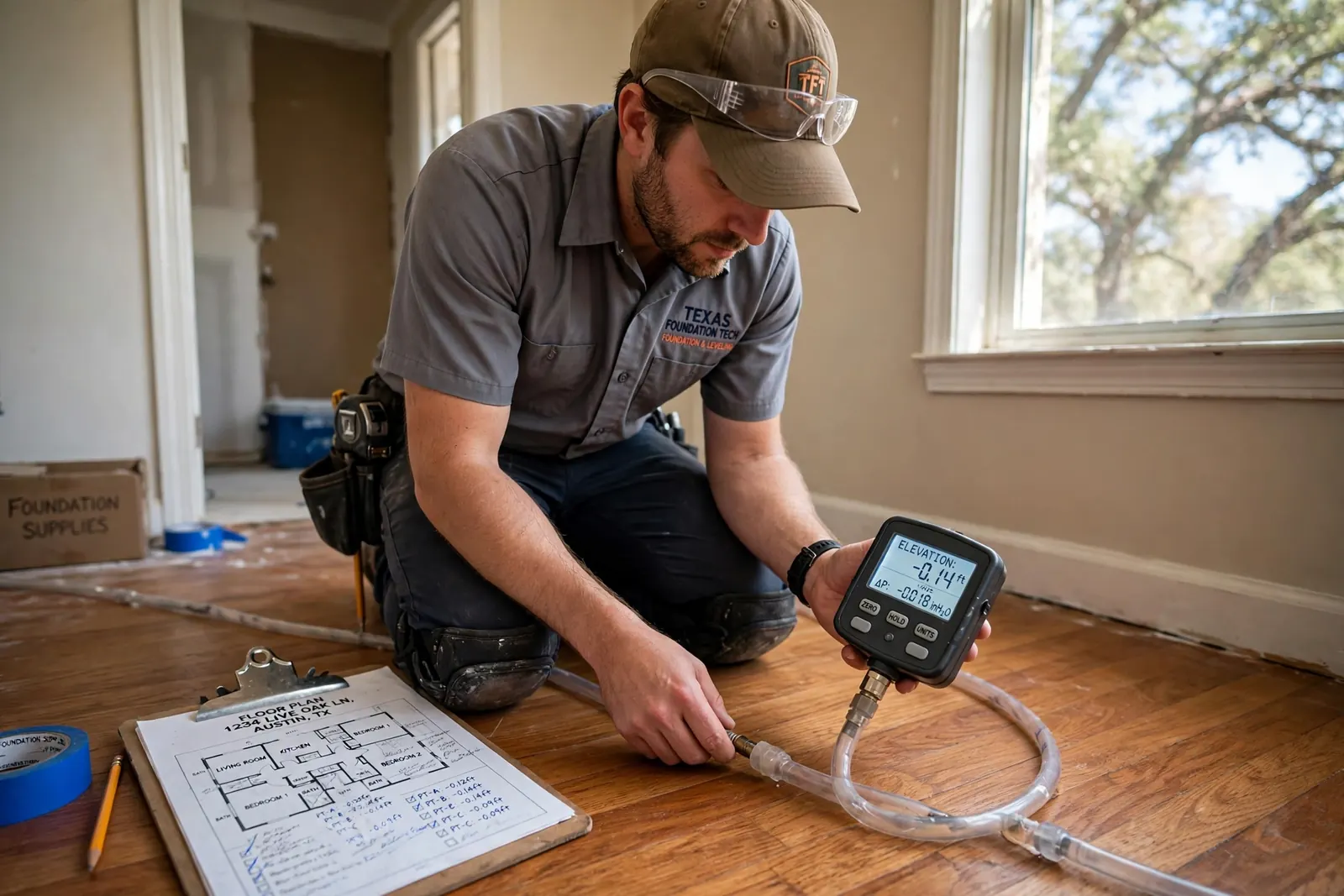
Start with the guide that matches what you are looking at. Cracks on the wall, start with crack types. A house that feels crooked, start with settlement signs. Curious why every house in this town seems to move, start with the clay.
How to use these guides
Read them with a flashlight in one hand and your phone camera in the other. The guides are built as walk-alongs: each one tells you where to stand, what to look at and how to tell the cosmetic version of a sign from the structural one. Photograph what you find with a coin or a ruler in the frame for scale, and date the photos. If you end up calling us, those dated pictures are genuinely useful; they show the crew what changed and when. And if the guide talks you out of worrying, that is a good outcome too. A company confident in its measurements can afford to publish the knowledge that talks some callers out of calling. The guides get updated as the crews learn: when a pattern shows up in the field often enough, it earns a section here.
The Guides
Read the House Yourself
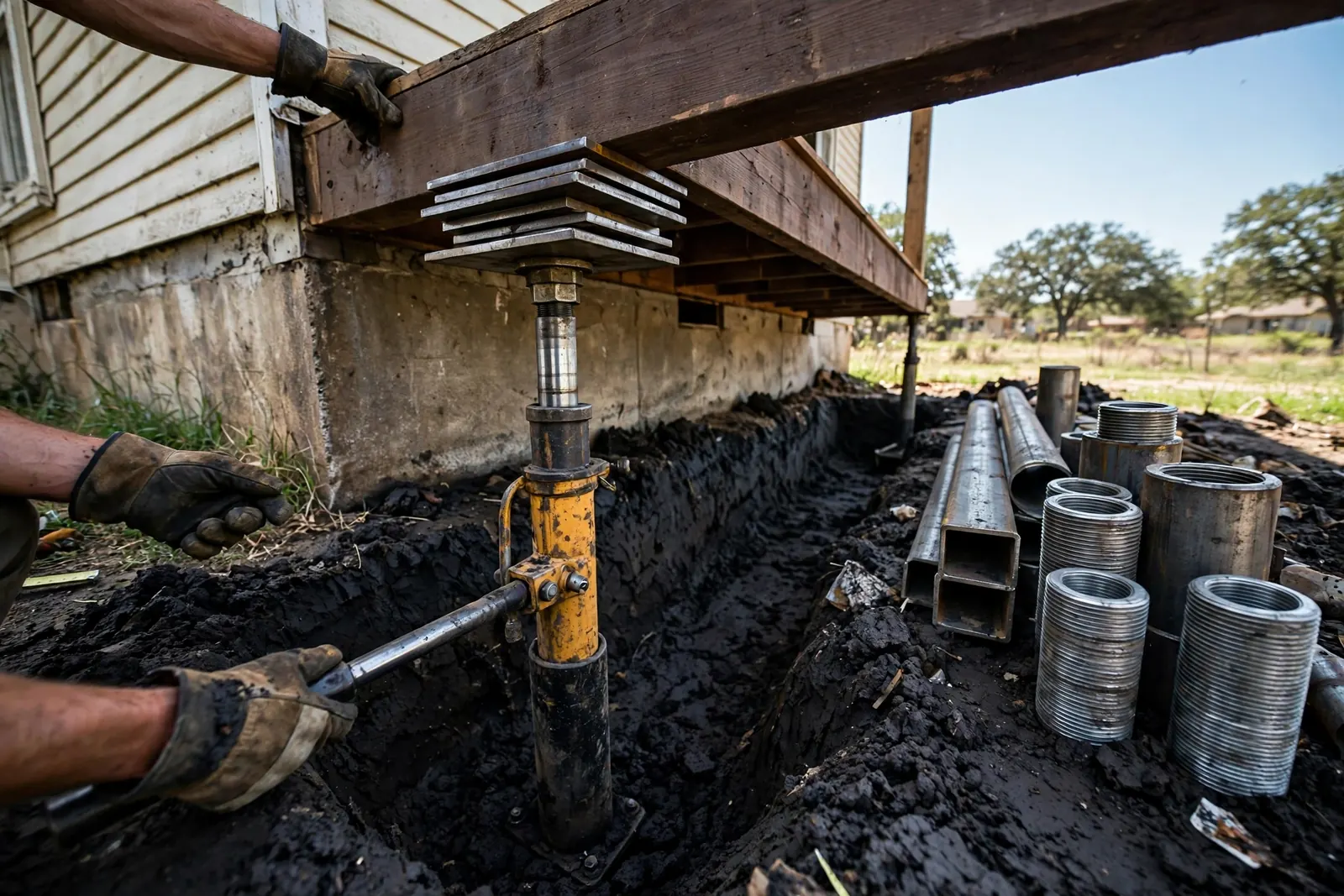 Signs of Foundation SettlementThe symptoms that matter, the ones that do not, and the two free tests that separate them.
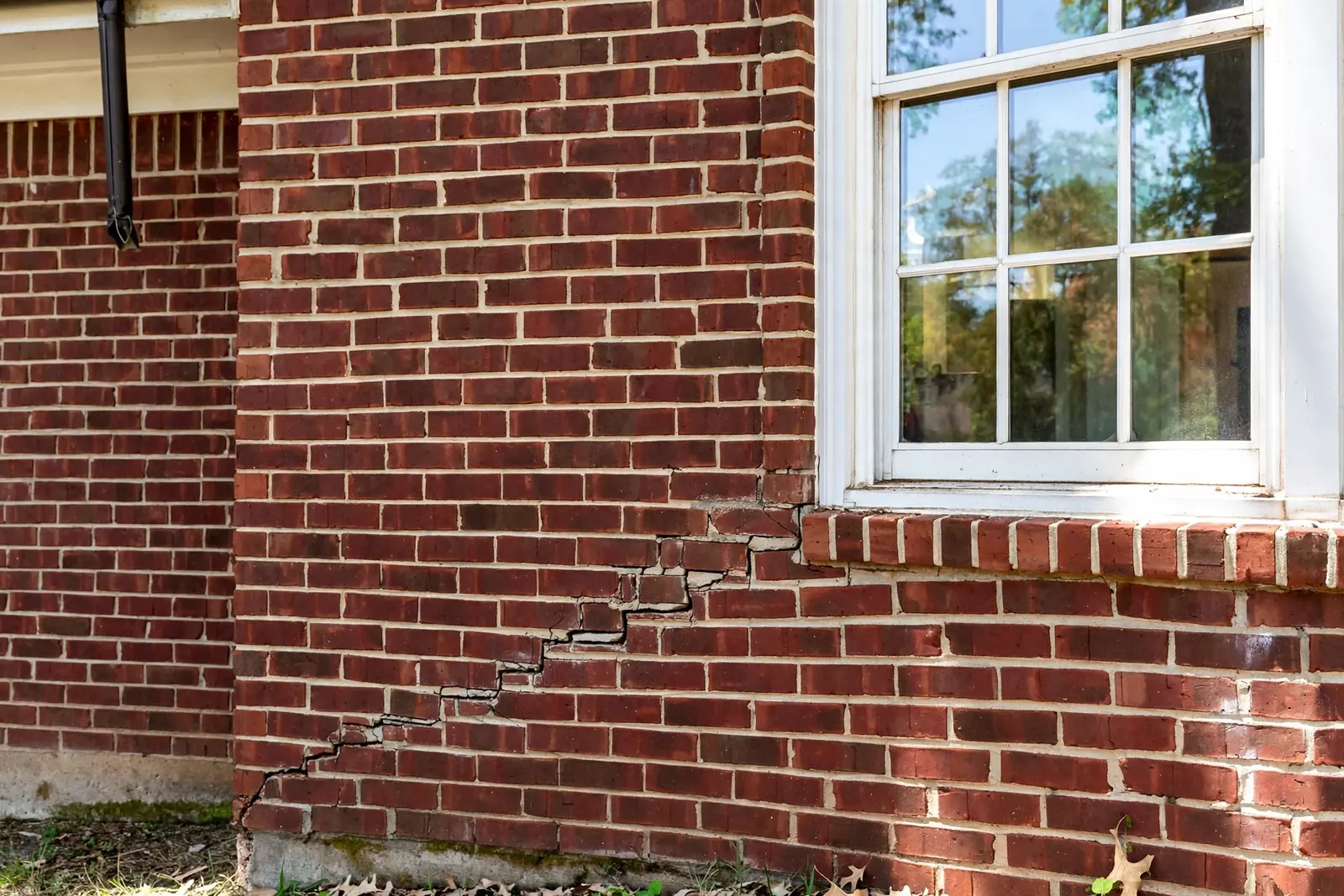 Foundation Crack TypesHorizontal, stair-step, hairline, vertical: what each pattern is telling you about your house.
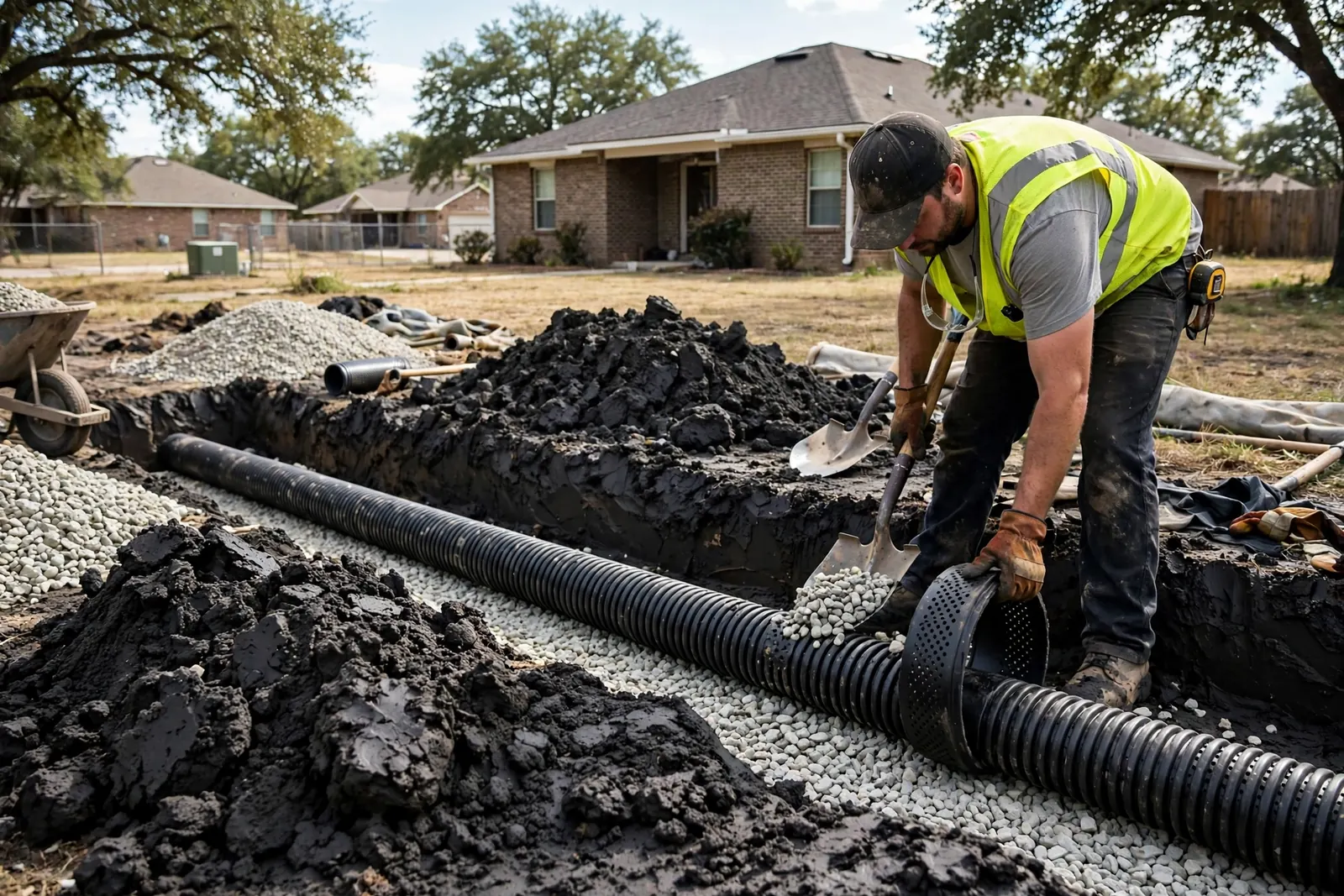 Expansive Clay Soil in North TexasThe blackland clay mechanism under every Burleson foundation: swell, shrink, and how to live on it.
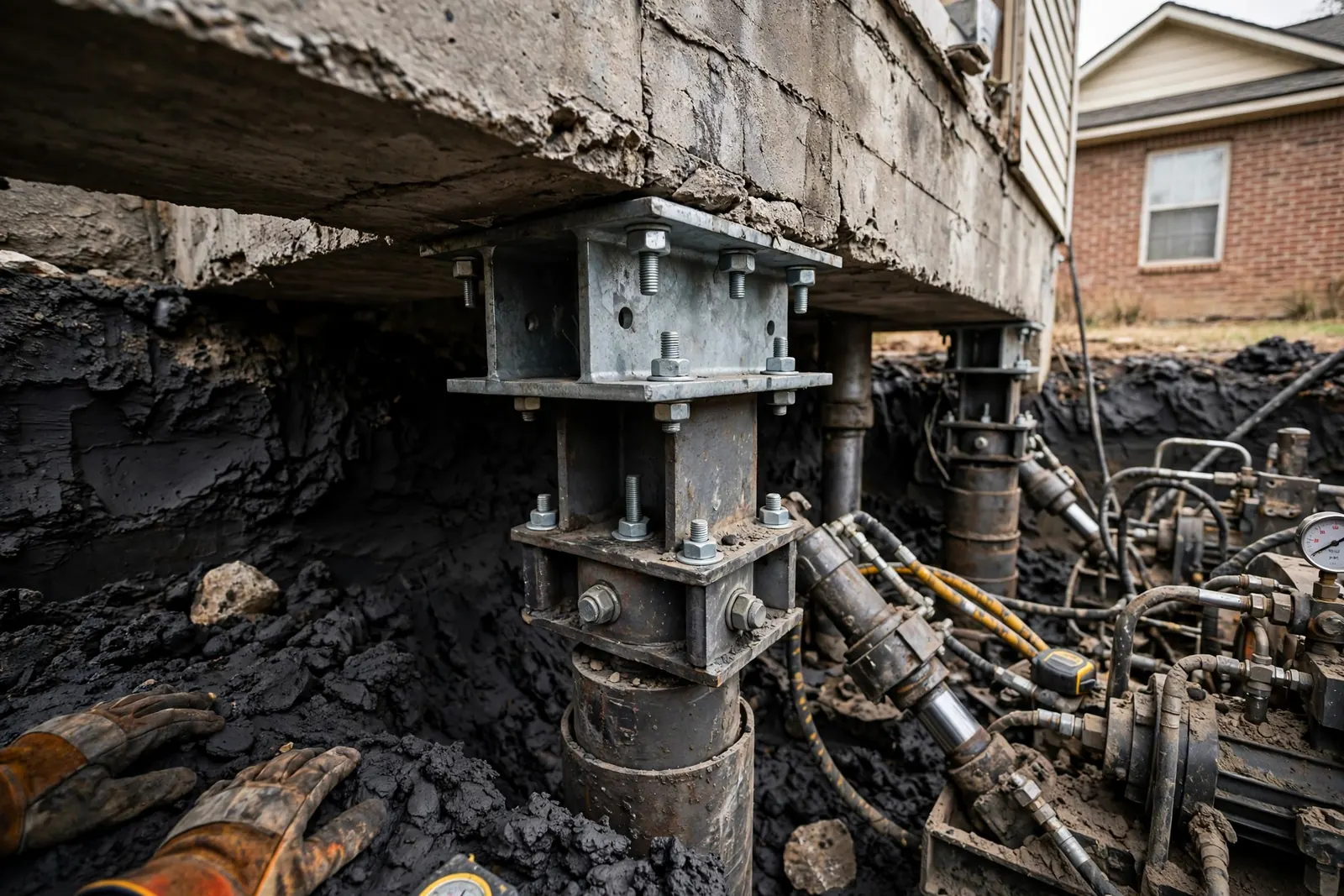 Pier Systems ExplainedSteel, pressed and helical piers in plain language, and how to read any pier quote in this market.
Get the Floor Read
Tell us what the house is doing and we will call you back to set the free evaluation. Prefer to talk? Call (682) 439-9099.
Get a Free Evaluation
We measure the whole floor, show you the numbers, and quote it flat. It costs you nothing.