Pier Systems Explained
Every foundation repair quote in North Texas comes down to piers: what kind, how many, how deep. This guide explains the three pier systems we install, steel piers, pressed concrete pilings and helical piers, how each one actually works underground, and what makes one the right call for a given house. No brand names, no mystery. When you are done, you will be able to read any pier quote in this market, ours included, and know what you are being sold.
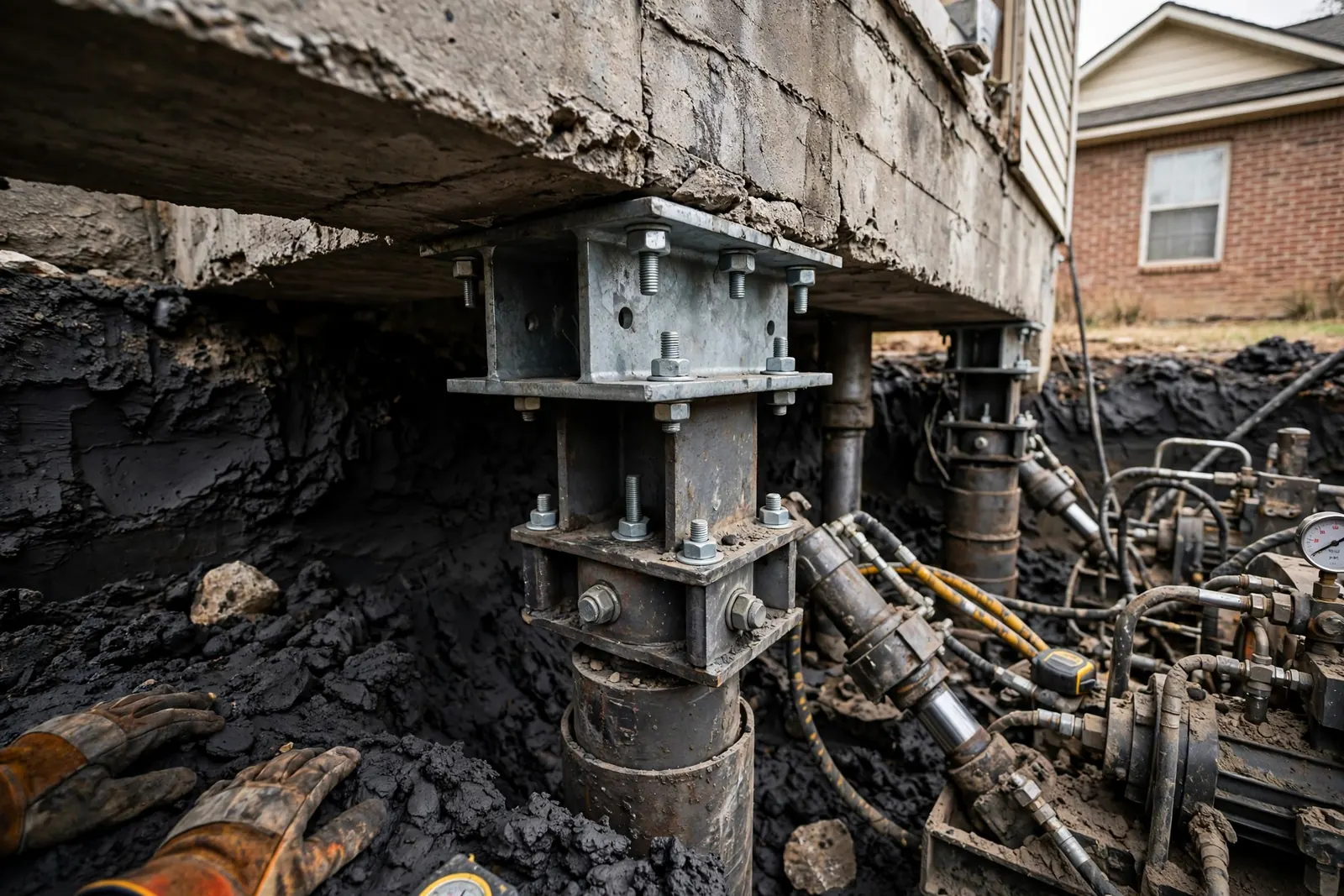
All three systems share one job: carry the house's weight past the active clay, the top layer of soil that swells and shrinks with the weather, down to ground that stays put. They differ in how they get there, how deep they can go, and what they cost. The plate below shows the shared principle with a steel pier: footing, bracket, segments, stable ground.
Steel piers
A steel pier is a series of steel pipe segments driven into the ground one after another with a hydraulic ram, using the weight of the house itself as the reaction force. Segments keep going down until the driving resistance says the pier has reached load-bearing ground, which on Burleson clay is often well past twenty feet. A steel bracket then locks the top of the pier to the house's footing, and the lift happens on that bracket. Steel is our default for heavy slab homes and deep clay because it goes deepest and its capacity is proven by the driving resistance at every pier. You are not trusting a calculation; the ground itself tells the ram when the pier is seated. The trade-off is price: steel costs more per pier than pressed concrete.
Pressed concrete pilings
Pressed pilings work on the same drive principle, with segments of precast concrete cylinder instead of steel pipe. The house's weight presses each segment in until the soil refuses more, and the stack is capped and locked to the footing. Pressed concrete is the workhorse of North Texas foundation repair: proven over decades, effective in most Burleson soils, and the least expensive pier per unit. Its limits are depth and feedback. Concrete segments can refuse early on a hard lens of soil that a steel pier would punch through, and in very deep active zones steel reaches more reliable ground. On a straightforward house with ordinary clay depth, pressed pilings do the job for the least money, and we install a lot of them.
Helical piers
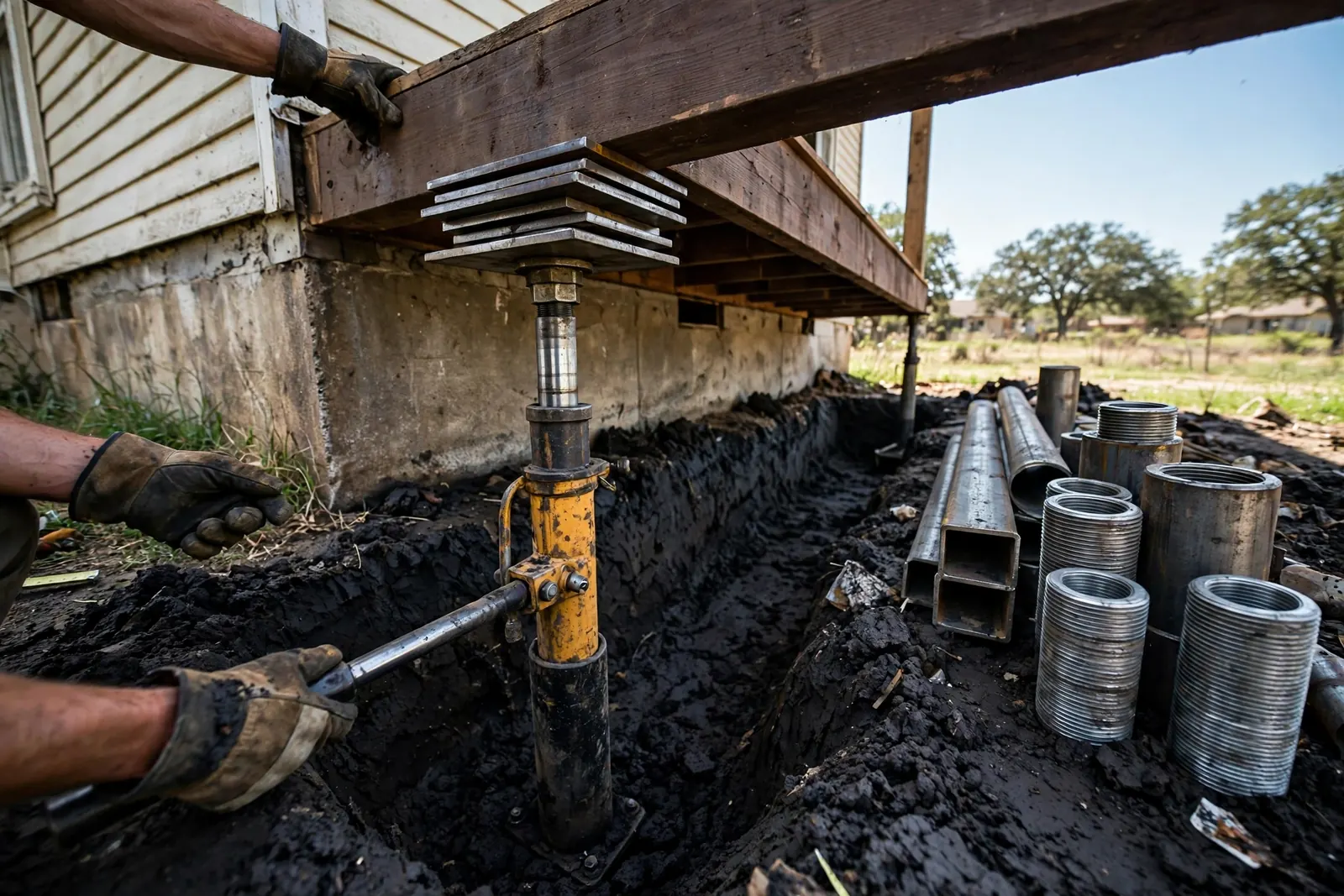
A helical pier is a steel shaft with spiral plates welded along it, screwed into the ground by a rotary drive head instead of being hammered or pressed. The torque required to turn it correlates directly with the load it can carry, so the installation itself measures the pier's capacity as it goes in. Helicals shine where access is tight, where the soil is soft or wet, where vibration from driving is a problem, and on lighter structures that cannot give a pressed system enough reaction weight. They are also the fastest to verify and the least disruptive to install, with small equipment that fits through a gate. The trade-off is again price per pier, and they are overkill where a pressed piling would refuse at a good depth for less.
The refusal test
Here is a test worth running on any company, us included: ask what would make them recommend fewer piers, or none. A crew reading an instrument has an answer ready, because the instrument sometimes says the corner is fine and the crack is lying. A crew reading a quota has a pause, then a discount. The pier count on a good quote is not a negotiating position; it is the map's opinion, and the map is sitting right there for you to look at. Insist on looking at it.
How to read a pier quote
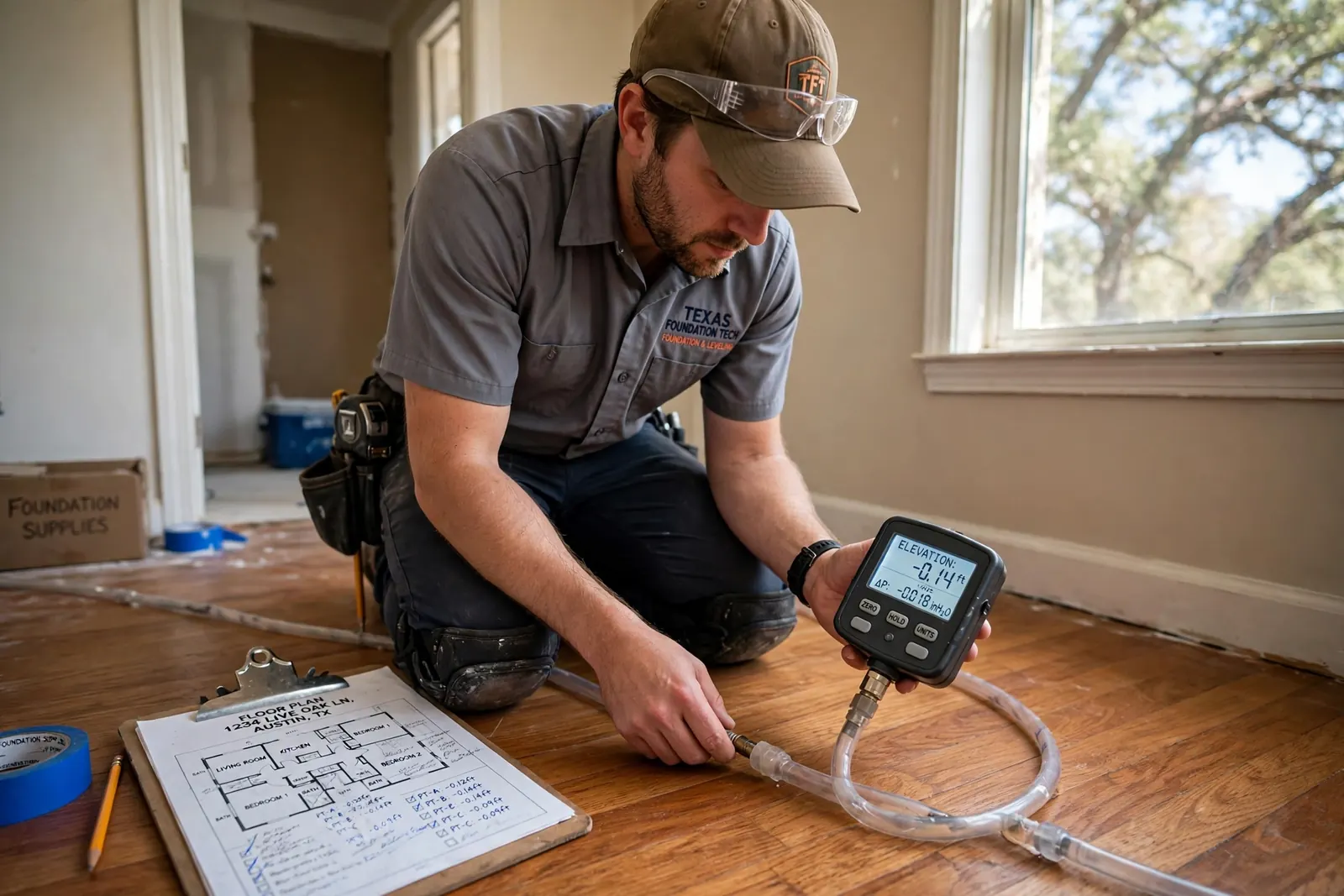
Pier count follows the map. The count should come from an elevation survey, and the quote should name locations. A count offered without readings is a number invented in your driveway. Depth language matters. "Driven to refusal" or a torque-verified capacity means the pier found its ground. A fixed shallow depth promised in advance means the pier stops where the contract says, not where the soil says. The bracket and the lift are the job. Segments in the ground are only half the system. Ask how the pier locks to the footing and how the lift is verified afterward. Our answer: readings before, readings after, maps for both, and a lifetime warranty on the pier work. The same standard should be demanded of anyone who quotes you, and our slab foundation repair page shows how it comes together on a real job.
Keep Reading
More Guides
Signs of Foundation SettlementThe symptoms that matter, the ones that do not, and the two free tests that separate them.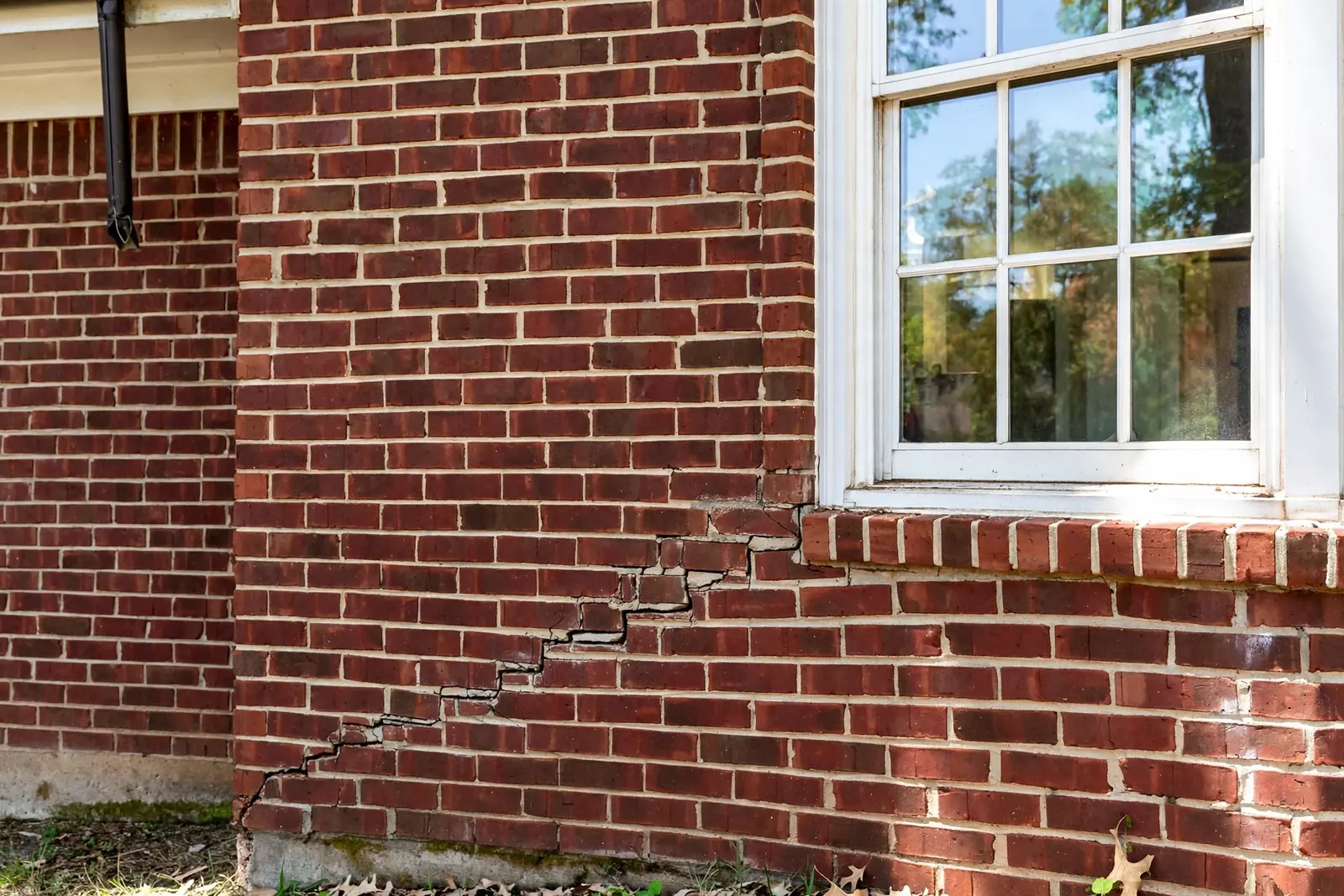 Foundation Crack TypesHorizontal, stair-step, hairline, vertical: what each pattern is telling you about your house.
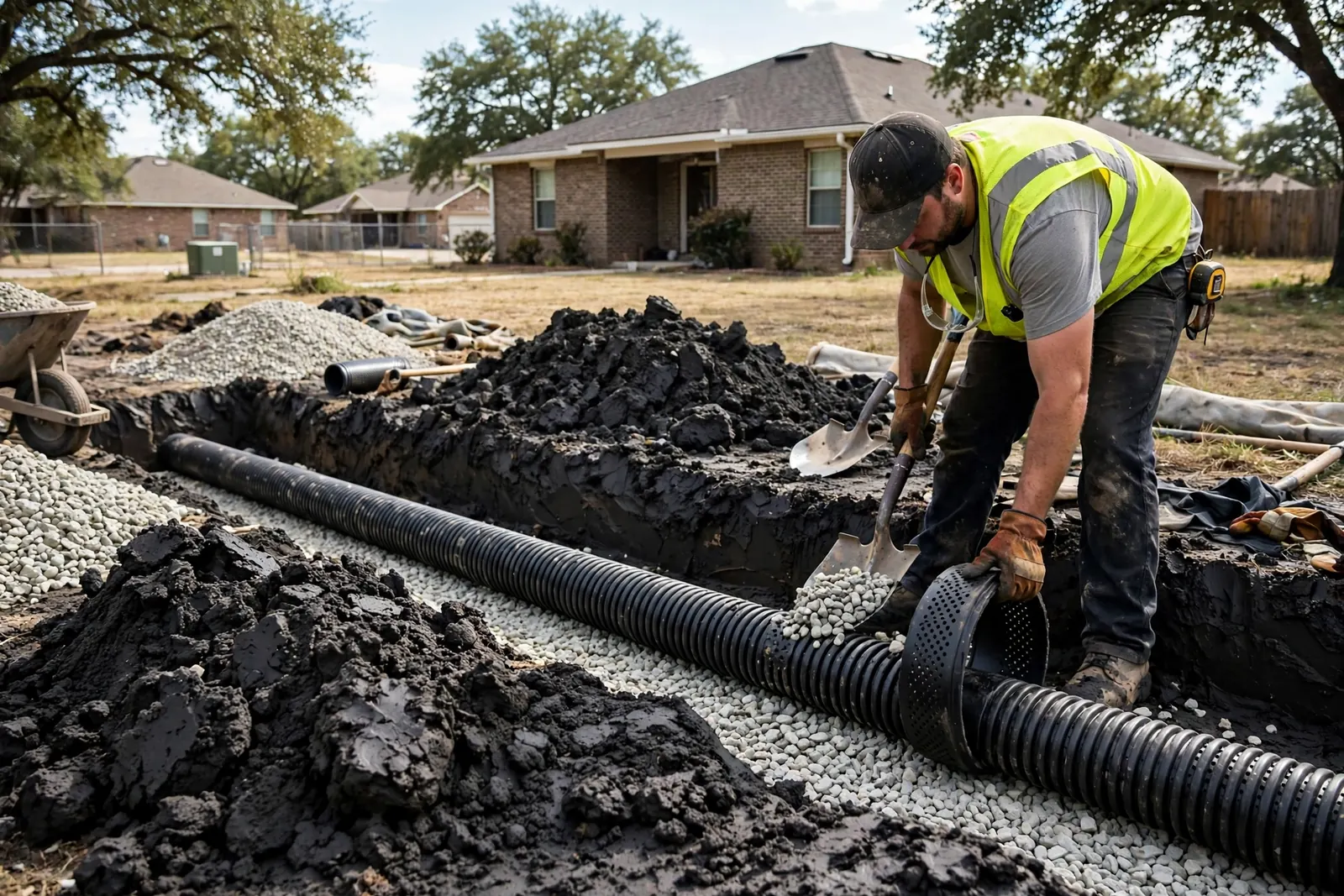 Expansive Clay Soil in North TexasThe blackland clay mechanism under every Burleson foundation: swell, shrink, and how to live on it.Pier Systems ExplainedSteel, pressed and helical piers in plain language, and how to read any pier quote in this market.
The Work Itself
Services Behind This Guide
Foundation RepairPiers under the low side, a controlled lift on hydraulics, and a floor that reads level when we are done. That is the whole job, done right.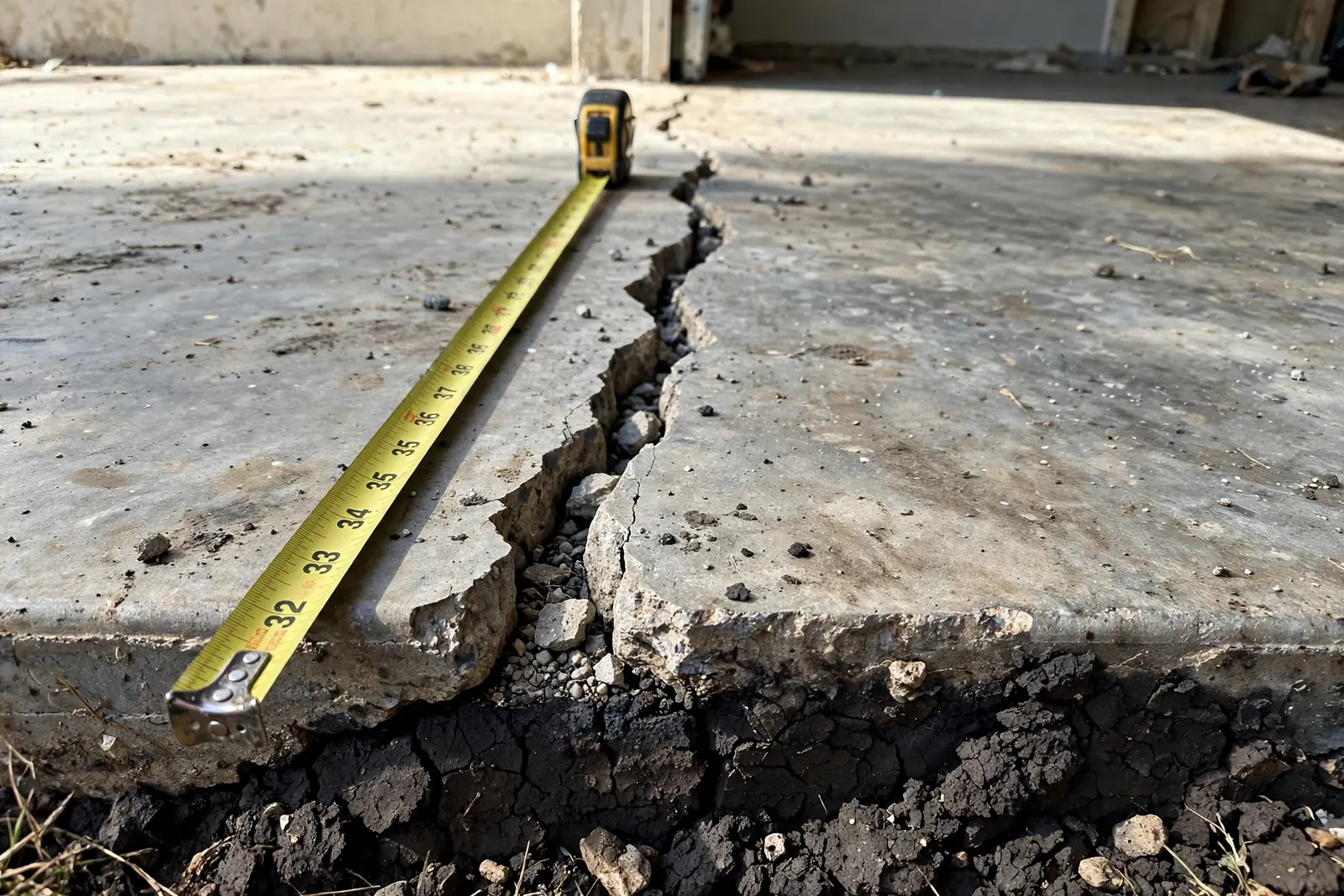 Slab RepairSunken slab sections lifted and locked onto piers. Every crack mapped before we start and checked again after the lift.Drainage & French DrainsWater is the cause. Drains are the cure. We dig the trenches nobody wants to dig and grade the yard so water leaves.
Get the Floor Read
Tell us what the house is doing and we will call you back to set the free evaluation. Prefer to talk? Call (682) 439-9099.
Get a Free Evaluation
We measure the whole floor, show you the numbers, and quote it flat. It costs you nothing.